Our people. Our stories. Our history: Scott Fisher
11 Jul
1
min read


Scott Fisher spent 15 years with the Perth Wildcats as both a player and coach, becoming one of the club's most influential figures. A two-time championship-winning player, former head coach and member of the Australian Basketball Hall of Fame, Fisher played 247 games in red before returning to lead the club from the sidelines.
His No. 30 jersey now hangs among the Wildcats' retired numbers, cementing his place as one of the defining figures in club history. Across nine seasons as a player, Fisher became a central figure in one of the most celebrated eras in club history, earning the respect of the Red Army through the uncompromising way he competed.
More than two decades after leaving Perth, Fisher says his connection to the Wildcats remains strong (as he explains in the video carousel on instagram below).
After six seasons with the North Melbourne Giants, he quickly discovered there was something different about the Perth Wildcats from the moment he arrived in Western Australia.
“Moving over to Perth, you’ve got the whole state behind you,” Fisher said.
“Everywhere you go, everybody’s a fan. Whether they know anything about basketball or not, they’re a fan of the Wildcats.
“That was a really nice feeling. It made it very easy to live in a place where, as isolated as we were, we were one big giant Perth family.”
Fisher’s path to Perth began with little certainty.
The reigning league MVP was searching for a new club at a time when salary cap restrictions had made opportunities difficult to find. The Wildcats offered him a one-week contract to compete in a preseason tournament and determine whether he would fit alongside Ricky Grace, James Crawford, Andrew Vlahov and the rest of an already established group.
“Perth offered me a chance to play in the pre-season tournament, and that was it,” he said.
“Here’s a one-week contract. Come out, play in this tournament, see if you fit in with these guys.
“I thought, that’s all I need. I’m going to show them that, love me or hate me, I’m going to give my all on the court all the time. As a teammate, they’re going to appreciate it.
“I went over and played pretty well. The Wildcats offered me a contract, and I took it. As the saying goes, never look back.”
Joining the Wildcats meant becoming teammates with players Fisher had spent years trying to beat. Grace, Crawford and Vlahov had been rivals, not friends, and the arrival of another established star created an adjustment period for everyone involved.
“There were four Hall of Famers on that team, and we needed to learn how to work together,” Fisher said.
“Andrew Vlahov and I got along really well. We were the same type of player. I’m not anything like Ricky Grace or James Crawford, but we got along well with both those guys too. They were guys who wanted to win, and they saw the advantage of having me on the team.”
That willingness to sacrifice individual control for collective success became part of a culture.
He credits the club’s early coaches with establishing the expectations, but says those standards were reinforced every day by the players trusted to carry them.
“I think a few things have to come together and there were expectations. We were always going to work the process, but at the end of that process, we were expecting to win.”
The responsibility then fell to the senior players to ensure those expectations remained more than words.
“The players, especially the ones who were there a long time, Grace and Crawford and Vlahov and myself, we were the same way,” Fisher said.
“We had a culture. We were going to work hard. We were going to beat the hell out of each other in practice. We were going to knock each other down. We were going to pick each other up.
“Then we were just going to get out there, and we were going to try and get a little bit better every single day.”
Fisher carried that approach into coaching, despite initially having no interest in taking the job.
After two seasons away from playing, Vlahov encouraged him to consider returning as head coach. Fisher’s competitive instincts remained, but so did his concern for a club navigating one of the most uncertain periods in its history.
The Wildcats were experiencing financial pressure, had moved from the Perth Entertainment Centre to the Superdrome (Perth HPC) and were finding it increasingly difficult to attract the crowds and coverage that had once surrounded them.
“I didn’t want to see what everyone had help build disappear, I wanted to be a part of trying to get it back.”
Fisher took on the role without previous coaching experience and with a limited budget. During his four seasons in charge, the Wildcats remained competitive and set a club record for wins in a season.
Leaving Perth was a difficult decision, the Wildcats organisation had become his home away from home. Fisher had spent 15 years in Perth and 21 years in Australia, becoming a naturalised citizen and representing the country at the Olympic Games and World Championships.
Today, Fisher plays golf, travels and spends time with his family and grandchild. Basketball is no longer at the centre of his daily life, but the Wildcats have never disappeared from it.
“It’s always going to be a part of me, but I’m just doing other things now. Other parts of life have kind of taken over, but it’s definitely still there.
“When things like this come up, my wife gets really excited, but I get excited too. I don’t want to be forgotten. I like people to know how important it is to guys like me and the people at the club from our era”
Fisher still watches around half of the Wildcats’ games each season, although following from California can be more stressful than relaxing.
Unlike an NBA or college games, which he can watch without any personal investment, the Wildcats still bring back the instincts of someone who wants to be involved in every possession.
“It’s exciting, but it’s also frustrating, because I’m a long way away from there now,” he said.
“When I’m watching the game, and even when I went back to Perth and watched the game in person, I want to be right down there.
“I want to have something to do with it, rather than just being a passive watcher. It’s not easy just to sit back and watch.
“There is an emotional connection when I’m watching it that is really hard to shake.”
That connection continues to reveal itself in unexpected places.
Fisher still encounters people in the US who recognise him through their own connection to Australian basketball, including those whose parents watched him play for the Wildcats.
Fisher believes the reach comes from the feeling created between the team, the city, and the supporters who have carried the Wildcats from one generation to the next.
It's why being part of the Red Army still means something, even thousands of kilometres from Perth.
“I think they love being part of arguably one of the most successful professional clubs in any sport anywhere in the world,” Fisher said.
“They’re all aware of that. I think they’re very proud of that. It’s a great thing to say that I’m part of the Red Army.”
As the Wildcats begin another pursuit of championship number 11, Fisher believes the same principles that underpinned the club's success throughout his own career remain just as relevant today.
“You’ve got to be all in,” he said.
“Everybody’s got to be all in all the time. You really just got to believe.
“There is a magic that occurs in Perth that doesn’t occur anywhere else. You don’t win 10 championships if you don’t have that little bit of magic.
“You go out there. You believe. You work together. You knock each other down, but you pick each other back up, and you keep going.
“It’s amazing the things that can occur when a team is all in and believing.”
9 Oct
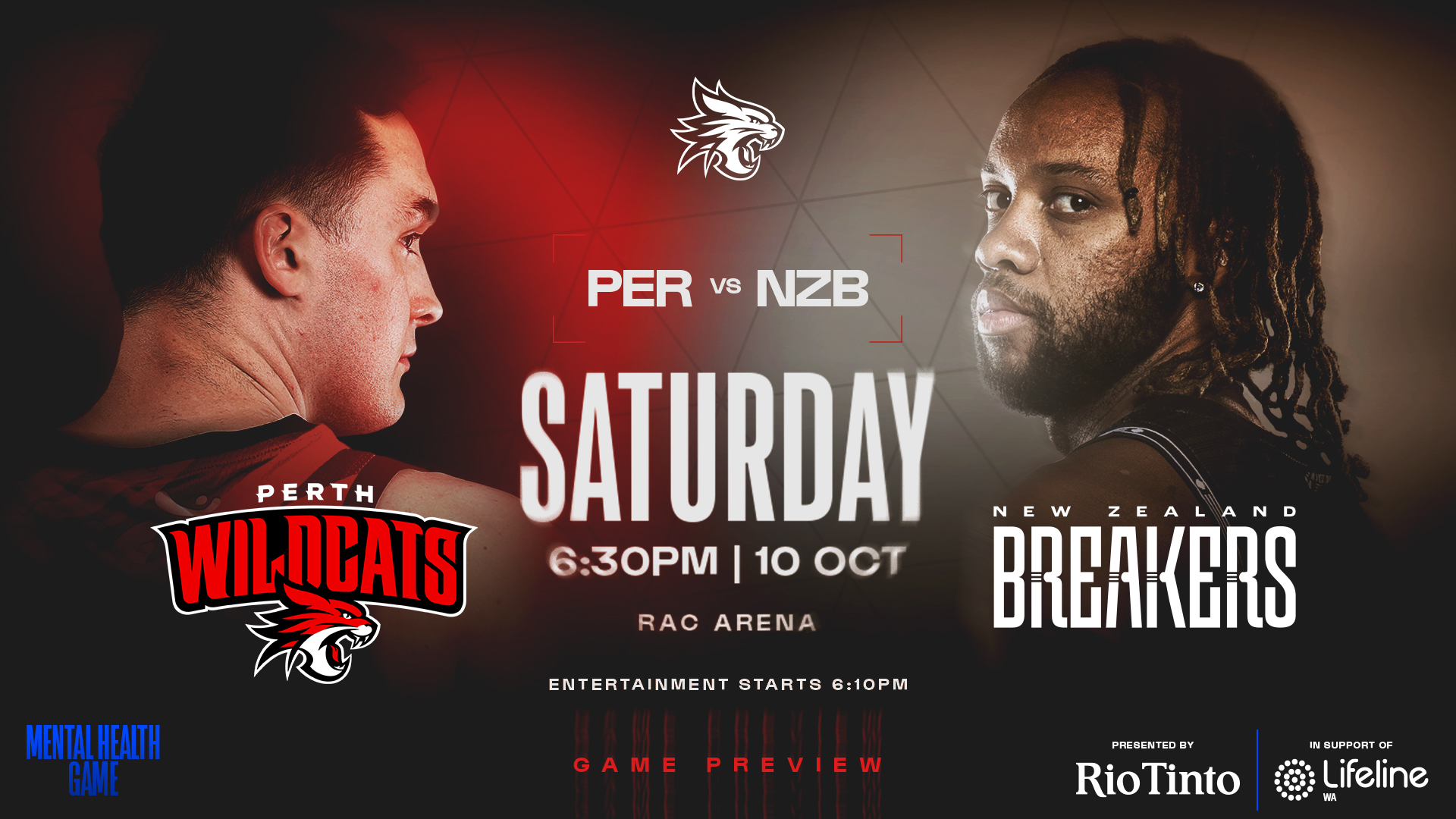
NBL27 Round 4 Mental Health Game Preview | Wildcats vs Breakers
7 Oct
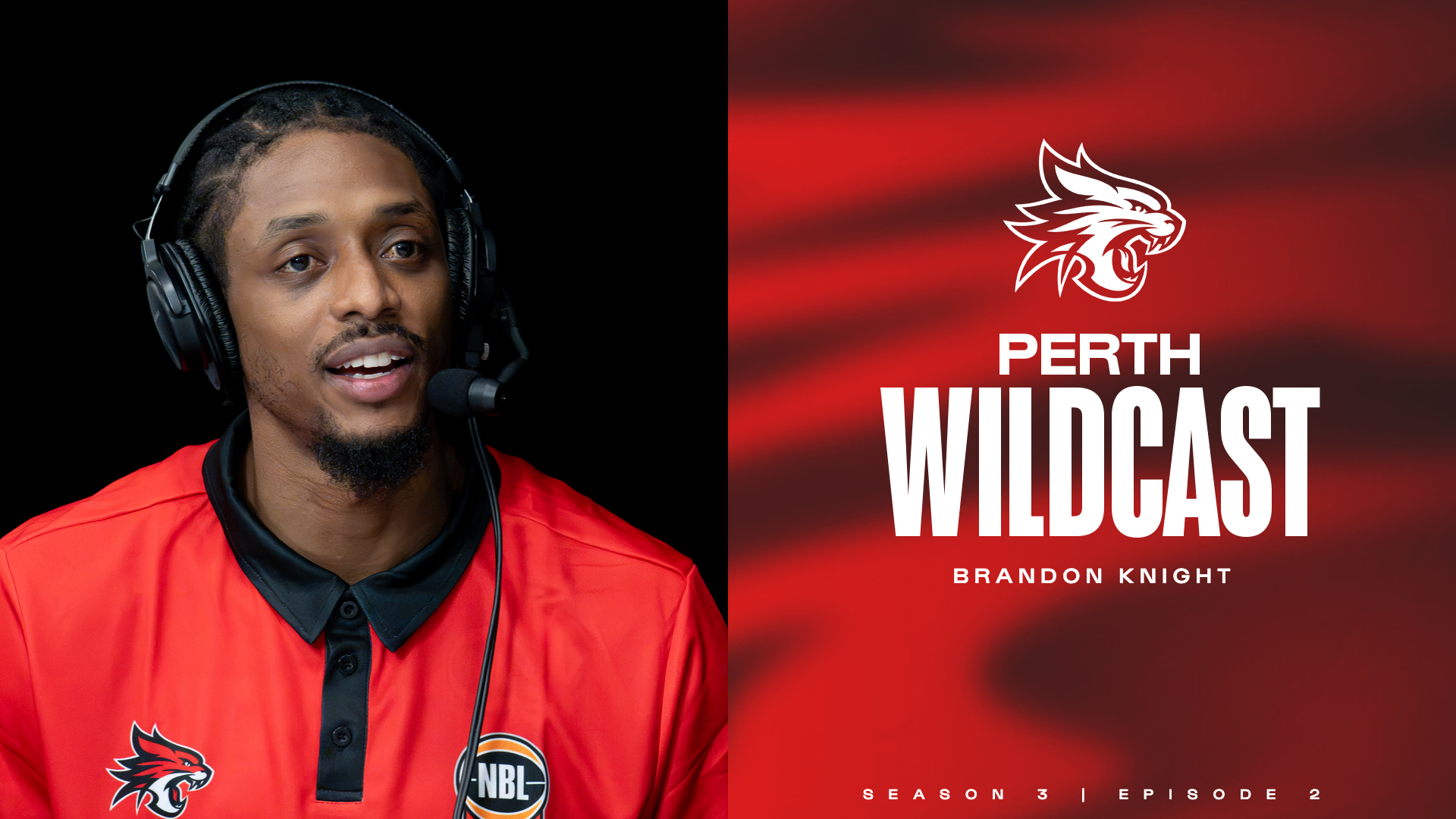
Perth WildCAST Episode 2 | Brandon Knight
Brandon Knight
Perth Wildcats
7 Oct
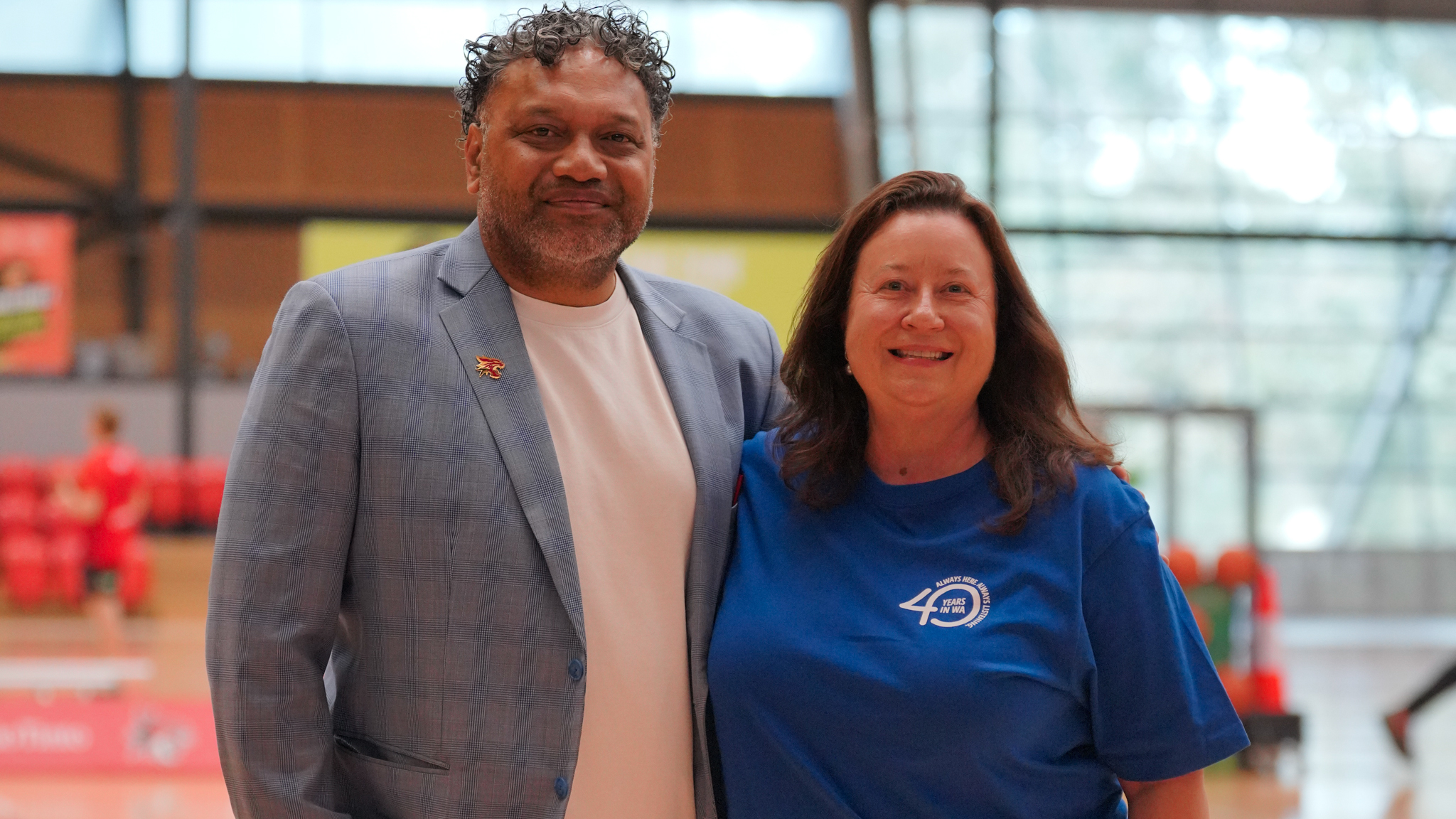
Wildcats to Host Second Mental Health Game for Lifeline WA
.jpg)
2 Oct
NBL27 Round 3 Pink Game Match Report | Wildcats vs Phoenix
1 Oct
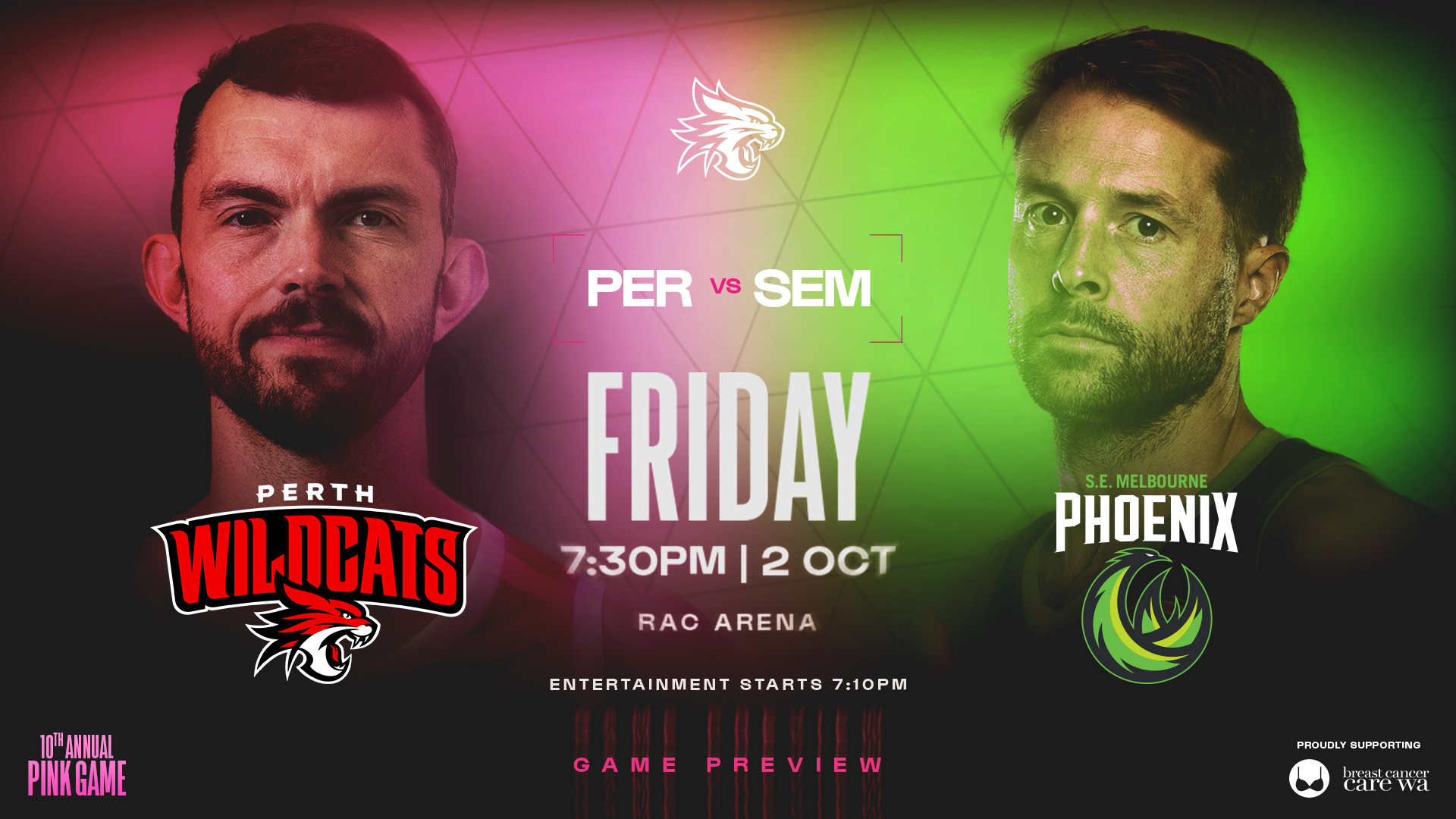
NBL27 Round 3 Pink Game Preview | Wildcats vs Phoenix
.jpg)
30 Sep
Brandon Knight touches down in Perth excited to join Wildcats
.jpg)
29 Sep
Wildcats Finding Different Ways to Win Ahead of Phoenix Rematch
%20(1).jpg)
27 Sep
Pink Week Begins as Wildcats Celebrate 10 Years of the Pink Game
%20(1).jpg)
26 Sep
NBL27 Round 2 Match Report | Wildcats vs NZ Breakers
25 Sep
Wildcats vs NZ Breakers Game Preview | Round 2 NBL27
%20(1).jpg)
24 Sep
NBL27 Round 2 Match Report: Wildcats vs 36ers
.jpg)
24 Sep
NBL27 Meet the Coaches | Wildcats Assistant Ben Peterson
.jpg)
24 Sep
NBL27 Meet the Coaches | Wildcats Assistant Aaron Young
.jpg)
24 Sep
NBL27 Meet the Coaches | Wildcats Assistant Derrick Alston Sr.
24 Sep
John Rillie’s High Praise for Wildcats’ NBL27 Coaching Staff

23 Sep
NBL27 Round 2 Game Preview: Wildcats vs 36ers
Support your team with the latest gear
Grab your latest team releases before they're gone.
Follow for behind the scenes content


Get the latest Team Updates
Breaking news & special offers. Direct to your inbox.
2026/27 Memberships Now Available
NBL Properties


Subscribe to our Newsletter


The National Basketball League acknowledges the Traditional Custodians of the lands on which we work, live & play. We pay our respects to their Elders past, present & emerging as well as all Aboriginal and Torres Strait Island Community. © year National Basketball League |Terms & Conditions | Privacy Policy