Wildcats Multicultural Stories: Dontae Russo-Nance
15 Jan
1
min read
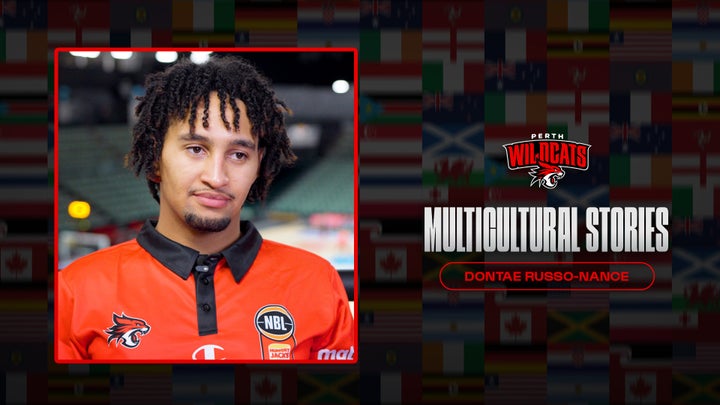

Raised in Auckland, New Zealand, Dontae Russo-Nance grew up in a close-knit community, spending his entire life in the same house and building the foundations that continue to shape who he is today.
“I grew up in Auckland and I’ve lived in the same house my whole life,” he says. “Being in the same community growing up has been a big part of my journey. From where I started with basketball to where it’s taken me now, it means a lot.”
While basketball became his pathway, Russo-Nance was active across multiple sports growing up. He credits that variety with helping shape him as an athlete.
“I played a few different sports growing up. Softball was one of my main ones, volleyball as well, and a little bit of soccer,” he says. “I just tried to stay active and play as much as I could.”
His journey representing New Zealand came later, highlighted by a recent Asia Cup appearance, an experience that further strengthened his pride in where he comes from.
Beyond sport, Russo-Nance speaks fondly about the cultural traditions that remain central to life in New Zealand. Simple acts, he says, carry deep meaning.
“It’s a respect thing to take your shoes off before you enter someone’s house,” he explains. “You walk around barefoot to keep the space clean and sacred. It’s about respecting where you are and where people come from.”
That sense of respect and connection also extends to Māori culture, particularly through the Haka, which holds a powerful place in sport and ceremony.
“The Haka brings out a lot of emotion and intensity, whether it’s before a game or at a special ceremony,” Russo-Nance says. “There’s a lot of passion and love behind it.”
Originally used as a form of intimidation, Russo-Nance explains that the Haka has evolved over time.
“It started as a scare tactic, but as it’s evolved it’s become more about love, culture and expression,” he says. “It can still be intimidating, but at its heart it represents pride and connection.”
At the centre of Russo-Nance’s cultural grounding is his mother, whom he credits as his biggest influence.
“My mum is Māori, and she’s always tried to keep the language and culture involved,” he says. “Just little words here and there, keeping that connection alive. That’s been really important for me.”
Looking ahead, Russo-Nance hopes to continue that legacy.
“For me, it’s about learning as much as I can and then passing it on the same way my mum did with me,” he says. “She integrated it into my life naturally, and that’s something I want to continue.”
Opportunities to return home are limited during the season, but a recent matchup against the New Zealand Breakers provided a chance to reconnect.
“We played the Breakers last week, so I was able to go back home,” Russo-Nance says. “I went back to my childhood house, saw my family and caught up with a few friends. That was really nice.”
As the Perth Wildcats prepare to celebrate culture and community at the Multicultural Game on January 25 against Melbourne United, Russo-Nance’s story reflects the diversity and shared experiences that continue to shape the club on and off the court.
18 Sep
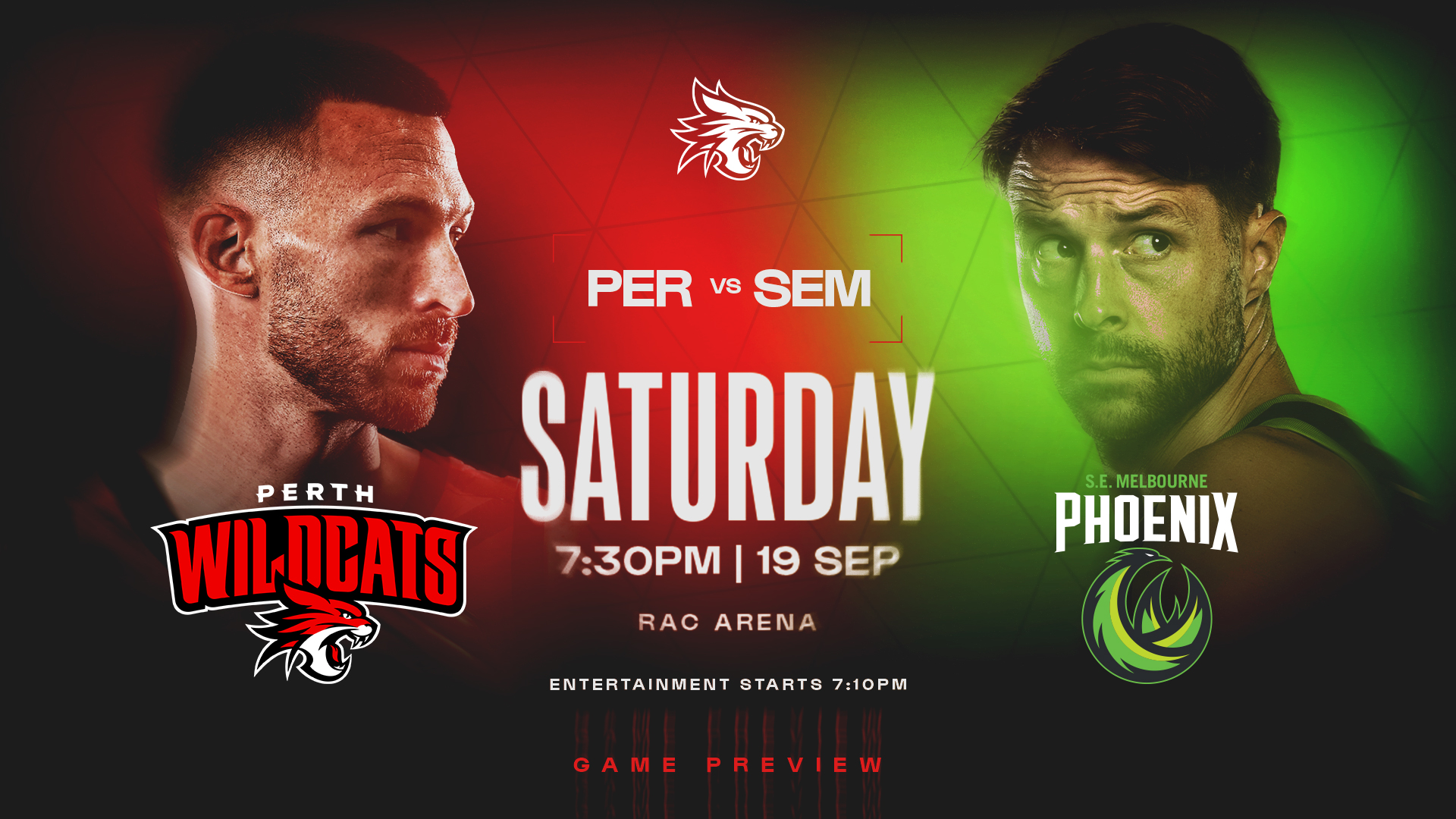
NBL27 Round 1 Game Preview: Wildcats vs Phoenix
15 Sep
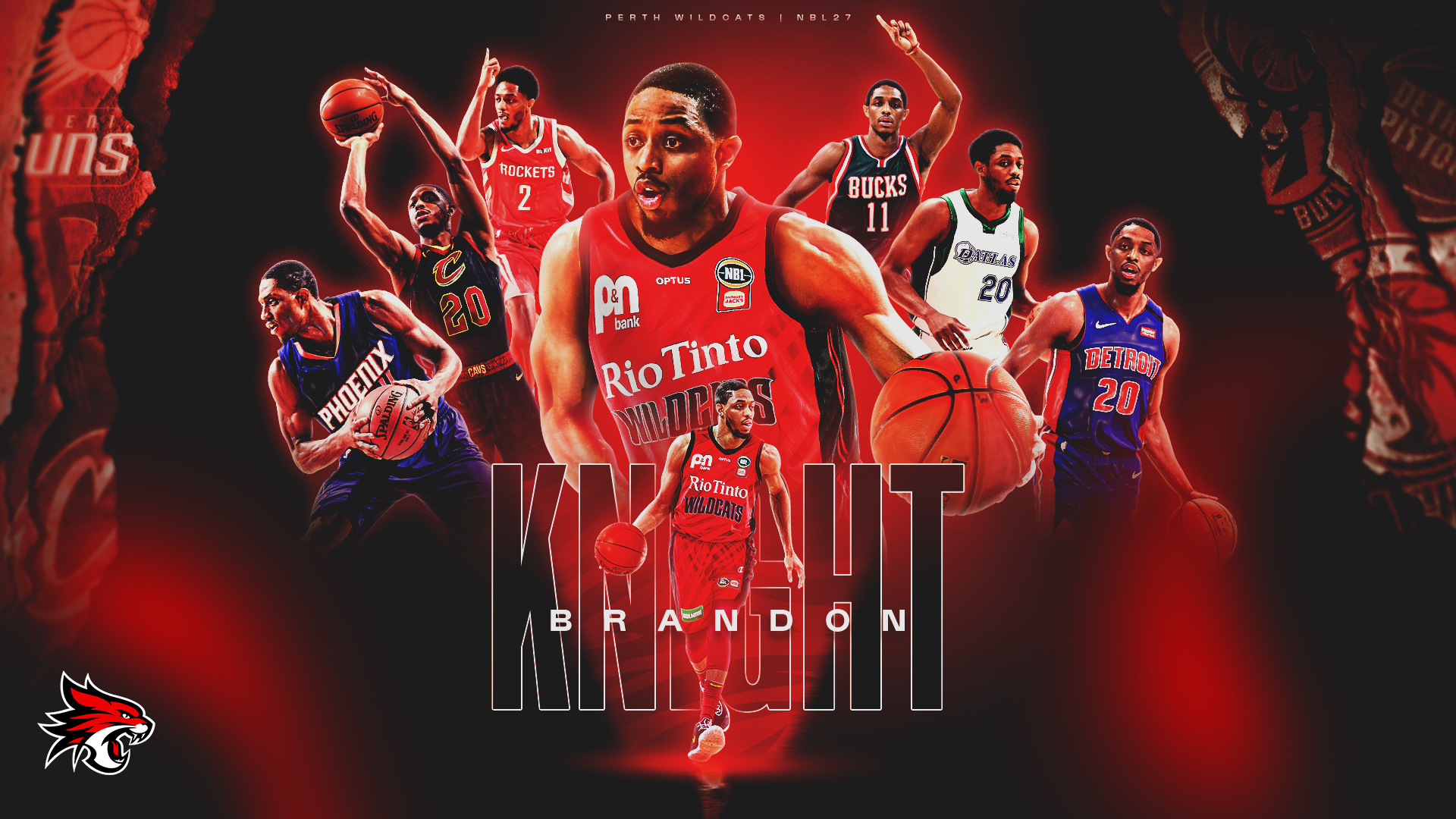
NBA Veteran Brandon Knight on Joining the Wildcats
Perth Wildcats
15 Sep
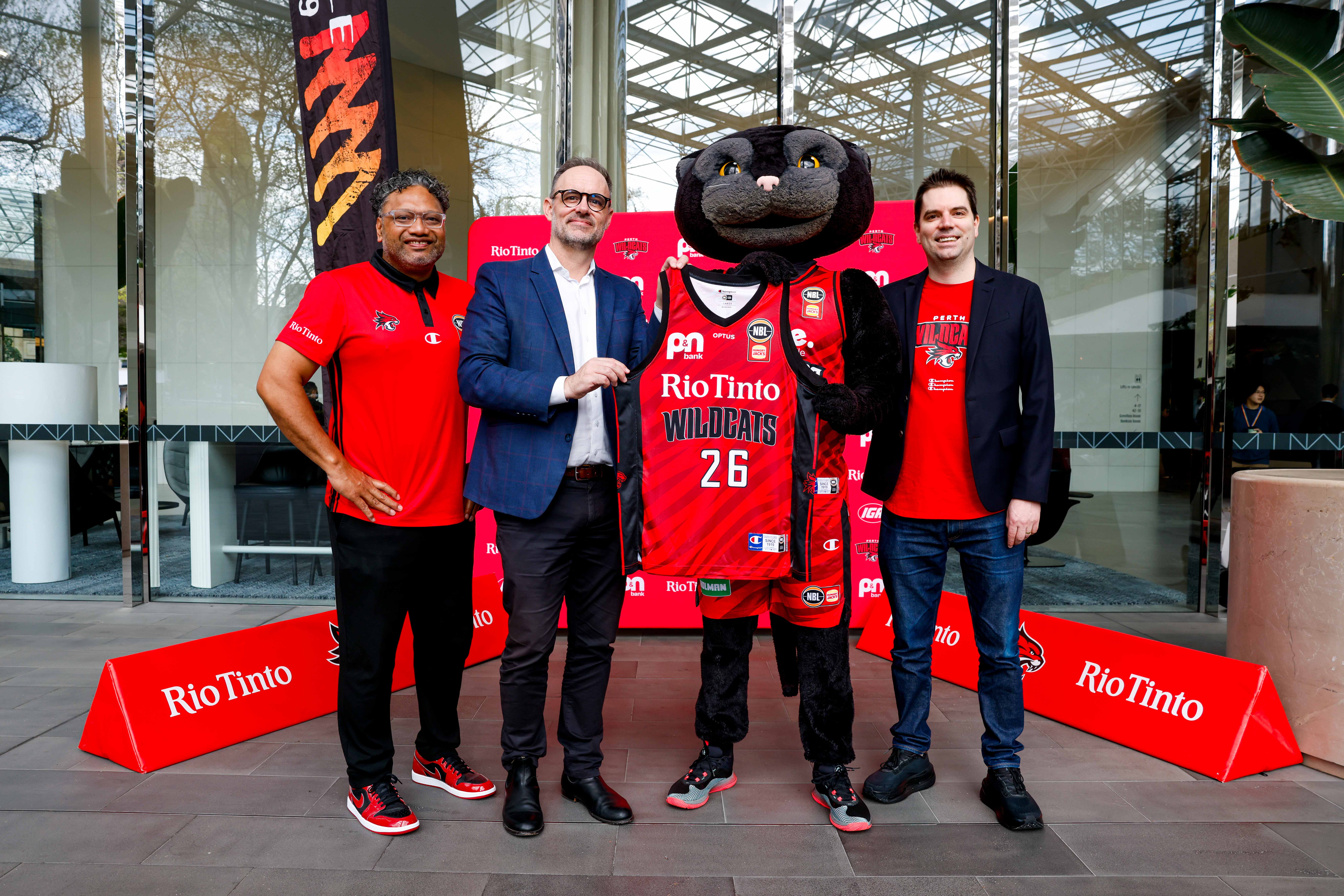
Wildcats and Rio Tinto strengthen partnership with three-year extension

10 Sep
JLA again stars for 'Cats in Japan
10 Sep
Wildcats Bloodline | Brad Robbins
.jpg)
9 Sep
Our people. Our stories. Our history: Ian Satie
8 Sep
JLA dominates for 'Cats in Japan
7 Sep
HIF and P&N Bank mark 15 years of partnership with the Perth Wildcats
3 Sep
Celebrating 10 Years of the Pink Game!
2 Sep
Snakes overrun Wildcats to open Blitz
.jpg)
1 Sep
John Rillie joins The Reverse Pivot

26 Aug
Our people. Our stories. Our history: Julia Spice
Perth Wildcats
%20(1).png)
26 Aug
Wildcats Baseline Business: Ascension Leadership
24 Aug
DELLY ON DEBUT: Dell’Orso joins Pepper and Rillie with Boomers
Anthony Dell'Orso
Elijah Pepper
Perth Wildcats
.jpg)
22 Aug
NBL27 Pre-Season Karratha Match Report: Wildcats v Taipans
.jpg)
22 Aug
Rio Tinto Perth Wildcats Academy extends to the Pilbra
Support your team with the latest gear
Grab your latest team releases before they're gone.
Follow for behind the scenes content


Get the latest Team Updates
Breaking news & special offers. Direct to your inbox.
2026/27 Memberships Now Available
NBL Properties


Subscribe to our Newsletter

The National Basketball League acknowledges the Traditional Custodians of the lands on which we work, live & play. We pay our respects to their Elders past, present & emerging as well as all Aboriginal and Torres Strait Island Community. © year National Basketball League |Terms & Conditions | Privacy Policy