Our people. Our stories. Our history: Trevor Torrance
21 Jul
1
min read


Four decades after Trevor Torrance suited up for the Perth Wildcats, the memories still come flooding back whenever he has the opportunity to reflect on growing up in Perth and playing professionally for his hometown team.
Torrance played in the 1990 and 1991 championships as part of a 253 game career for the Wildcats.
“I don't get to talk about it very often, but when you do, something surfaces in my soul,” Torrance said.
“It makes me feel a lot of pride to be part of the club. It feels like another lifetime ago, but then I recently turned 60 and realised it was 40 years ago. It doesn't feel that way.”
His playing days coincided with the club’s rise from humble beginnings at Perry Lakes to one of Western Australia’s most recognisable sporting teams.
Torrance had a front-row seat as the Wildcats outgrew the smaller Perry Lakes Stadium and moved to the Superdrome, then the Perth Entertainment Centre.
“I don't think many people get to sit back and say they were part of something like that, I went from being a 19-year-old nobody in Perth to being a 19-year-old somebody. It was overwhelming, exciting and incredible.”
As the Wildcats improved, the club began creating an experience that drew more people into the building and gave the Perth basketball community a team of its own.
“The Perth basketball community are phenomenal,” Torrance said.
“As the game grew, the crowds grew, they got louder and louder.
“The Wildcats did an amazing job creating an event. It wasn't just a basketball game anymore. It was like going to an Australian version of an NBA game, and Perth did it better than anybody.”
The relationship between the players and the fans became a defining feature of the era, with the Wildcats taking the court each game feeling as though the entire state was behind them.
“The crowd took us to where we ended up going.
“Western Australians are incredibly protective of their sporting teams. Back then it was basically the West Coast Eagles and the Wildcats.
“I played every game for the Red Army because of the pride I had for the club and for WA,” Torrance said.
The pressure of representing Perth, the relationships formed within the club and the highs and lows of being part of its rise would all contribute to shaping Torrance well beyond basketball.
“There was a lot of trial and error as the club found its identity,” Torrance said.
“For me it was a baptism by fire. I'd dreamed of something like that happening, then suddenly it became reality. It was wonderful, but there was also a lot of expectation that came with it.”
Away from the court, Torrance was also navigating his identity as a gay man in professional sport, balancing who he was with the person he felt the public expected him to be.
“I think you grow and you learn and you expand. I am the person I am today because of all those years in the Wildcats and the lessons I learned with and through people and with the players.
“I was very fortunate with the teammates and the club. I’ve mentioned some really important people who were very, very instrumental in supporting me.
“I think there was a period of time, if I was honest, that I couldn’t wait to get away from the sport because I just felt like I was so constrained.
“But I’ll never forget the day that the Wildcats invited me to come back into the club. It was a very emotional moment because I missed it, and I didn’t realise how much I missed it.”
After leaving the Wildcats for the Gold Coast Rollers, Torrance returned to the Perth Entertainment Centre as an opposition player, unsure how the Red Army would receive him.
“When I returned to Perth, I was terrified about walking back into the Entertainment Centre,” Torrance said.
“When they announced my name, the crowd reacted like I was still a home player. It wasn't what I expected at all.”
Years later, when the club invited him back to attend a game, the same emotion returned.
“Once again the crowd embraced me,” Torrance said.
“I get overwhelmed thinking about it because you don't realise the impact you've had until moments like that.”
Torrance still returns to Perth two or three times a year, with family based in WA.
Whenever possible, those visits include a Wildcats game and the chance to reconnect with the people who shared the club’s formative years.
“When I come back to Perth and see Mike Ellis, Eric Watterson, Andrew Vlahov and the others, it's like we just pick up where we left off,” Torrance said.
“That's when you know friendships are real.”
After a long period disconnected from basketball, Torrance has recently begun feeling drawn back to the court in a more personal way.
“It’d be nice to just shoot a ball and shoot hoops,” he said.
“I think I recognise that I disconnected for a long time. So it’s time to kind of reconnect.”
For all the years that have passed, Torrance has nothing but love for the club and the Red Army.
“You’ve created an incredible club, incredible culture, sporting culture,” he said.
“I really wouldn’t be the person I am today if it wasn’t for all the highs and lows and everything in between that we had over those years.
“I really appreciate everything. They’re great memories.”
20 Oct
Wildcats Multicultural Stories | Alex Higgins-Titsha
Alex Higgins-Titsha
Perth Wildcats
Melbourne United
.jpg)
19 Oct
Wildcats Baseline Business | Training Alliance Group
.jpg)
18 Oct
Wildcats Multicultural Game returns to RAC Arena this Friday
Perth Wildcats
Melbourne United
.jpg)
17 Oct
NBL27 Round 5 Match Report | Wildcats vs KIngs
Perth Wildcats
Sydney Kings
.jpg)
16 Oct
NBL27 Round 5 Game Preview | Wildcats vs Kings
.jpg)
15 Oct
Red Army called on to support Teddy Bear Collection for Perth Children’s Hospital

14 Oct
Kristian Doolittle Press Conference | NBL27 Round 5 v Sydney Kings
Kristian Doolittle
Perth Wildcats
.jpg)
13 Oct
BY THE NUMBERS | WILDCATS RED HOT START TO NBL27
.jpg)
12 Oct
Knight impresses Rillie in winning debut
Brandon Knight
.jpg)
10 Oct
NBL27 Round 4 Match Report | Wildcats vs Breakers
Perth Wildcats
BNZ Breakers
9 Oct
NBL27 Round 4 Mental Health Game Preview | Wildcats vs Breakers
7 Oct
Perth WildCAST Episode 2 | Brandon Knight
Brandon Knight
Perth Wildcats
7 Oct
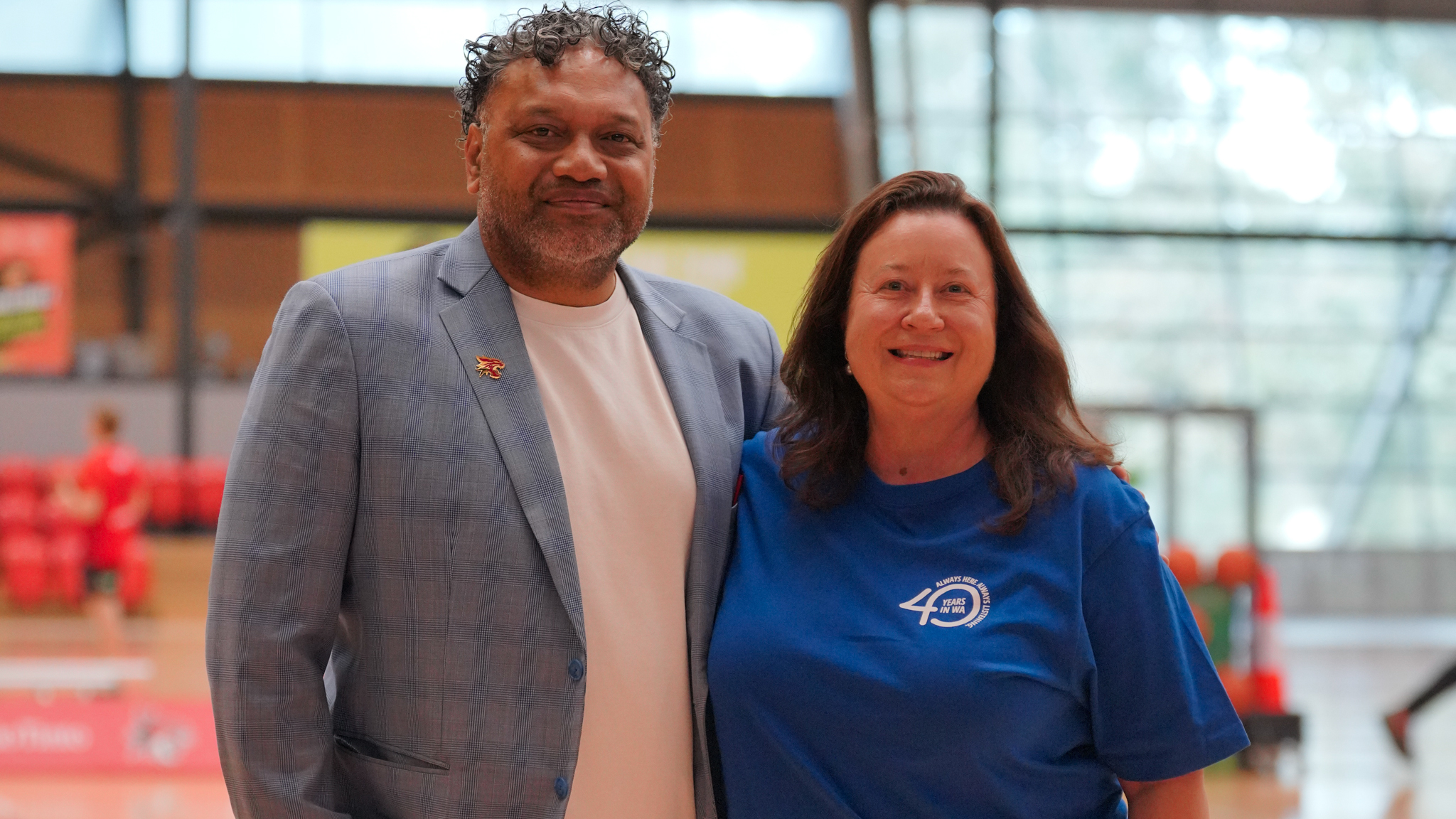
Wildcats to Host Second Mental Health Game for Lifeline WA
.jpg)
2 Oct
NBL27 Round 3 Pink Game Match Report | Wildcats vs Phoenix
1 Oct
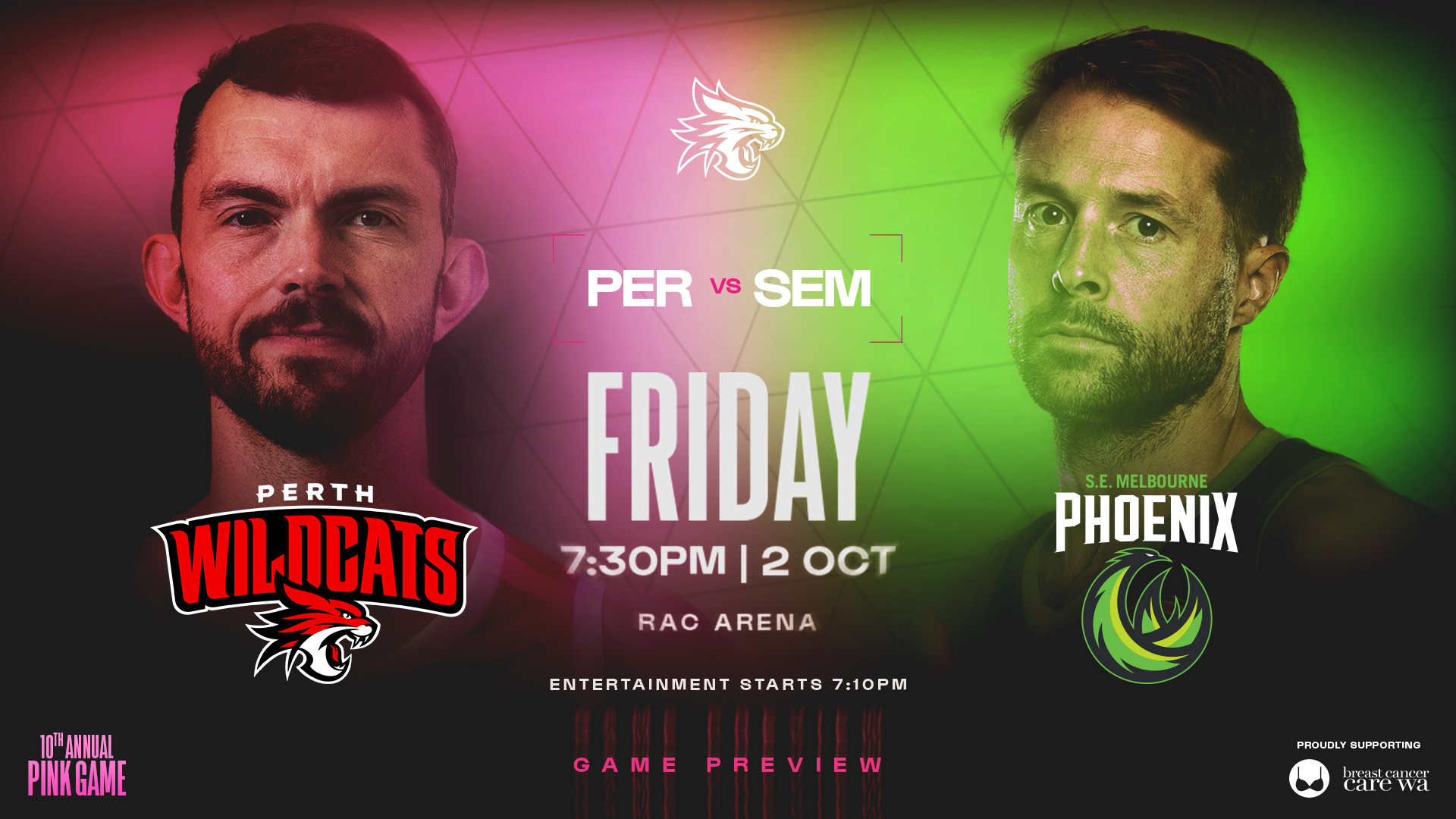
NBL27 Round 3 Pink Game Preview | Wildcats vs Phoenix
.jpg)
30 Sep
Brandon Knight touches down in Perth excited to join Wildcats
Support your team with the latest gear
Grab your latest team releases before they're gone.
Follow for behind the scenes content


Get the latest Team Updates
Breaking news & special offers. Direct to your inbox.
2026/27 Memberships Now Available
NBL Properties


Subscribe to our Newsletter


The National Basketball League acknowledges the Traditional Custodians of the lands on which we work, live & play. We pay our respects to their Elders past, present & emerging as well as all Aboriginal and Torres Strait Island Community. © year National Basketball League |Terms & Conditions | Privacy Policy